

It's been mocked as the"Coalition of the Waiting."
The ad hoc alliance of mostly European countries -- known as the Coalition of the Willing -- that pledged to provide a viable post-war security plan for Ukraine has had months of meetings with few clear results.
But some coalition officials believe this is about to change at a meeting of the group in Paris on September 4.
"I expect tomorrow or soon after tomorrow to have clarity on what collectively we can deliver," NATO chief Mark Rutte told journalists in Brussels on September 3.
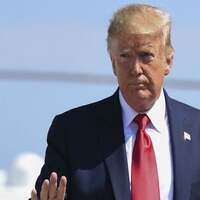
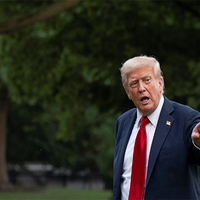
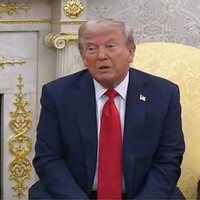
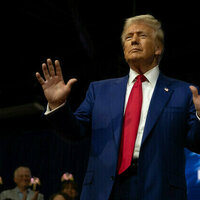
His comments have generated a sense of expectation around the latest talks, especially after recent remarks by US PresidentDonald Trumpsuggesting Washington would be prepared to be involved in helping to provide post-war security for Ukraine.
SEE ALSO:
Trump Again Says 'Very Disappointed' In Putin, Vows To Do 'Something' Soon
Still, Trump's comments contained no details -- like most of the public statements made after meetings of the Coalition of the Willing since British Prime MinisterKeir Starmerannounced its formation in London in March.
That continued lack of information has tempered some expectations.
A 'Hush-Hush' Process
"I'm not expecting clarity," John Foreman, a former British military attach involved at some of the initial coalition meetings, told RFE/RL.
"I'm not expecting a big announcement (it's all been hush-hush so far), but it will be important for the various leaders to understand exactly what is on offer and the state of play," he added.
Aside from regular meetings with heads of state and government, the coalition has held a series of detailed planning sessions with senior military figures discussing the nuts of bolts of a possible deployment to Ukraine.
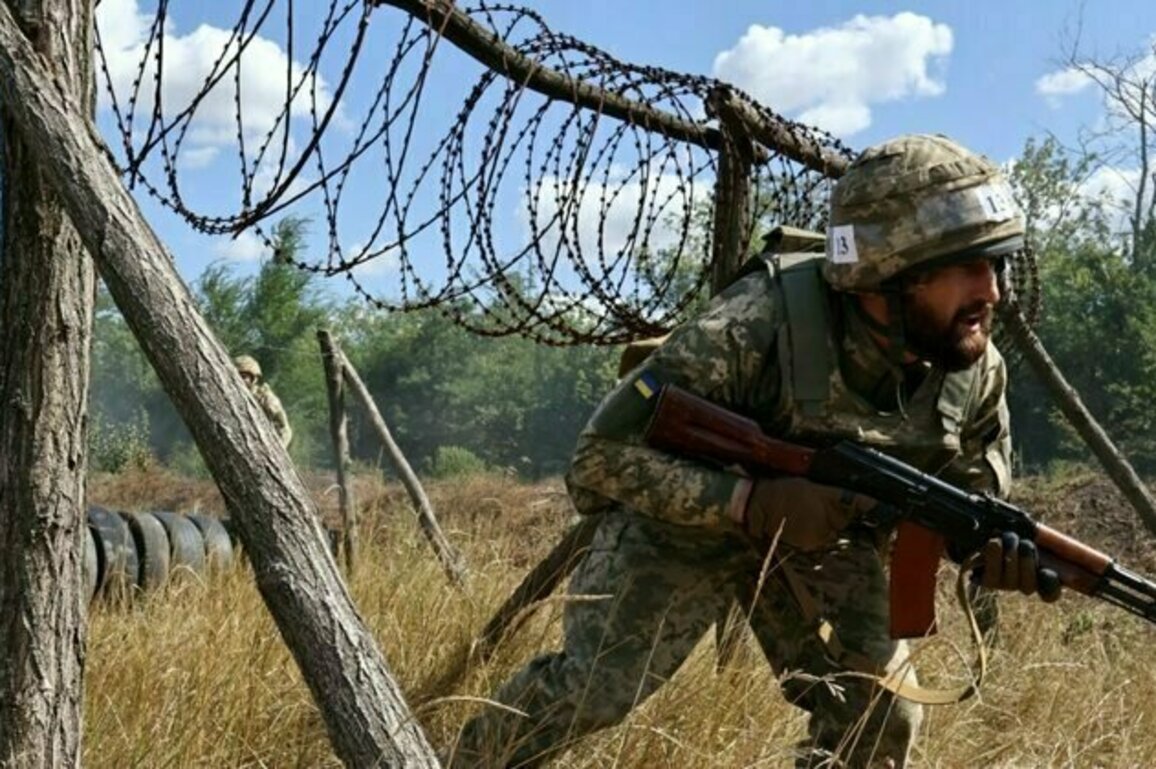
From the very beginning, this was predicated on Europeans doing the heavy lifting, with Britain and France, and then also other countries, pledging to put unspecified numbers of boots of the ground.
But the deal-breaker was always that this could only happen with a US "backstop" of support focused on logistics, air power, and intelligence. Washington gave no indication that it was willing to help, until recently.
NATO Secretary-General Mark Rutte speaks at a media conference at NATO headquarters in Brussels on September 3.
On September 3, Rutte said a "big breakthrough" came during a telephone call three weeks ago, in the run-up to Trump's summit with Russian President Vladimir Putin inAlaska last month.
Speaking to EU chief Ursula von der Leyen, French President Emmanuel Macron, and others, Trump "announced that he wanted to participate, to be part of those security guarantees," Rutte said.
Three days after the Alaska talks, Trump gave a public indication of this during a meeting at the White House with Rutte, Ukrainian President Volodymyr Zelenskyy, and European leaders.
Trump said European countries would provide "the first line of defense" but the United States would "be involved." His envoy,Steve Witkoff, spoke of "Article-5 like" guarantees, a detail-free reference to NATO's mutual defense clause.
'Dial In The US President'
Whether detail is added to these comments may depend on whether Trump joins the Paris meeting, like many of the participants, via video link. A German government spokesman told a briefing in Berlin on September 3 that "there are deliberations to dial in the US President."
Later, the Elysee Palace said a call was scheduled for the afternoon, after talks in the morning. Zelenskyy, who will be in Paris for the talks, said, "We also have signals from the United States that it will provide a backstop."
Even if the details can be ironed out, the plan for security guarantees still faces many obstacles. Planners are considering what to do after a cease-fire or peace deal is made.
The next step in the Trump-led diplomatic process was supposed to be a meeting between Zelenskyy and Putin. Efforts to make this happen have repeatedly been stalled by Moscow.
In his latest comments on September 3, Putin said meeting Zelenskyy was "a path to nowhere" before saying they could meet in Moscow. Given Russia's ongoing full-scale invasion of Ukraine, the venue is completely unacceptable to Zelenskyy.